What can you compost?
Almost anything that was once alive, plus paper and cardboard. The useful question is not what is technically compostable but what is compostable in your pile, at your temperature, without attracting rats. Below: the practical detail on what can you compost, and what most guides leave out.
Every entry below answers yes, no, or yes-with-a-caveat in the first sentence, then explains why. If you are looking for something not yet listed, the general rules underneath will get you there.
Start here
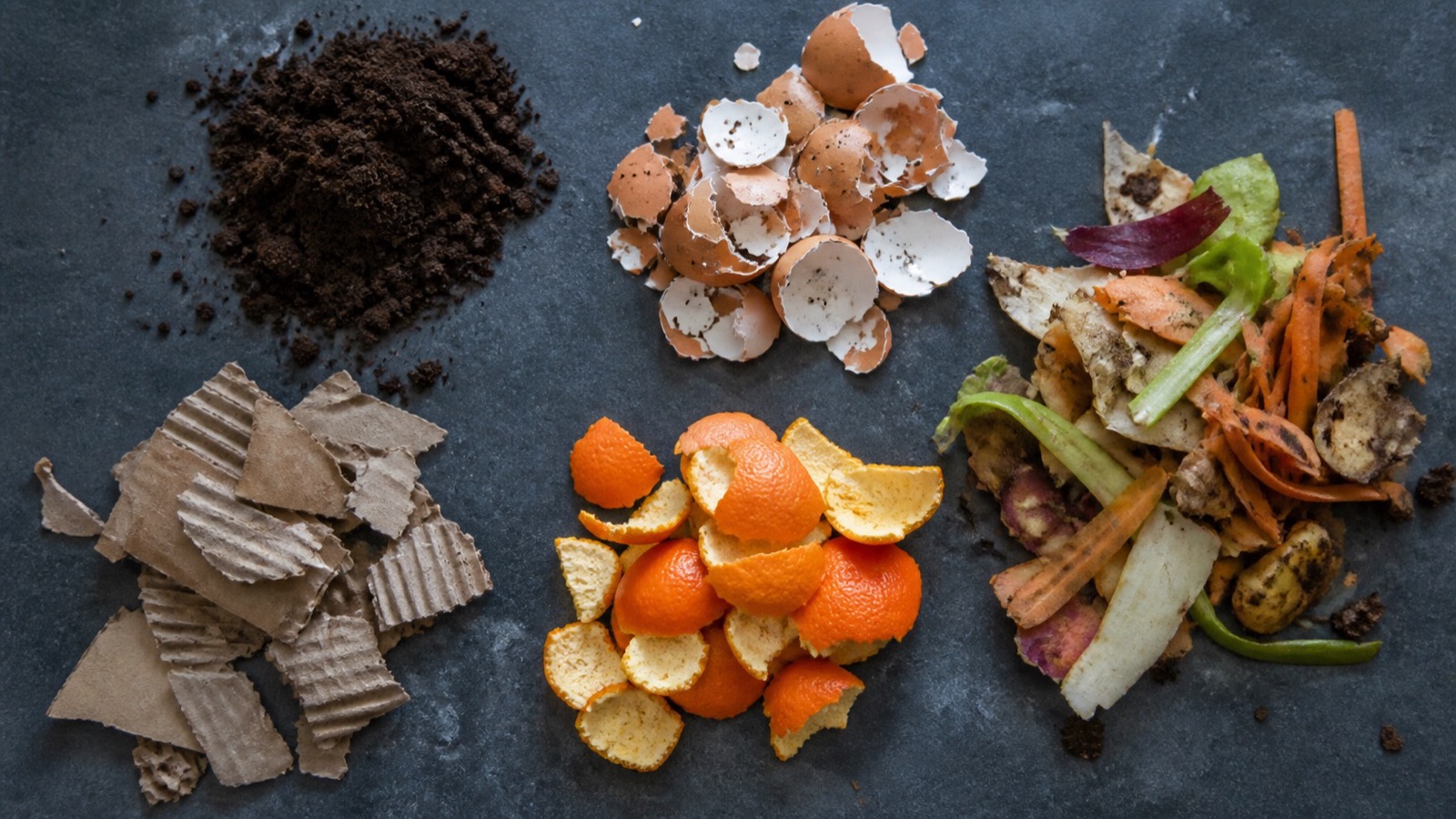
- Coffee groundsYes, but they are a green, not a brown.
- EggshellsYes, though far slower than people expect.
- CardboardYes, and it is the brown most people lack.
- LeavesYes. Stockpile them every autumn.
- Grass clippingsYes, and the fastest way to ruin a pile.
- Fruit and vegetable scrapsYes. The core of most domestic piles.
- Citrus peelYes, despite what you have read.
- BreadYes, buried. It attracts rodents.
- Paper towelsUsually, depending what they mopped up.
- FlowersYes. Watch for florist wire and foam.
- Pine needlesYes, slowly. They will not acidify your pile.
- WeedsYes, with a real caveat about seeds.
- Wood ashSmall amounts only. Never coal ash.
- SawdustSparingly, and only untreated wood.
- Dryer lintOnly if your laundry is natural fibres.
- MeatNot in a normal domestic pile.
- DairySame answer as meat.
- ‘Compostable’ packagingUsually not in a garden pile.
The general rules, if your material is not listed
Was it alive, and is it small? Then it will compost. Speed is mostly a function of surface area.
Is it wet and soft? It is a green: nitrogen-rich, fast, and prone to matting.
Is it dry and structural? It is a brown: carbon-rich, slow, and what stops the pile going anaerobic.
Would it attract an animal? Meat, fish, dairy, oil and cooked food will, unless your pile runs genuinely hot. That is the real line, not some rule about what is “allowed”.
The things people get wrong most
Colour does not determine category. Coffee grounds are brown and behave as a green. Fresh green leaves and dry brown leaves are different materials.
“Compostable” packaging usually means industrially compostable, 55°C sustained for weeks. Your pile does not do that. See is compostable packaging really compostable.
Take the reference table with you
Composting 101 includes a one-page quick-reference of what goes in, what needs care, and what stays out. Plus the general rules for anything not on the list. Handy when you are standing over the bin with something in your hand.
Further reading on what can you compost
Independent sources worth reading alongside this page: EPA, Composting at Home · Cornell Waste Management Institute.