Can you compost wood ash?
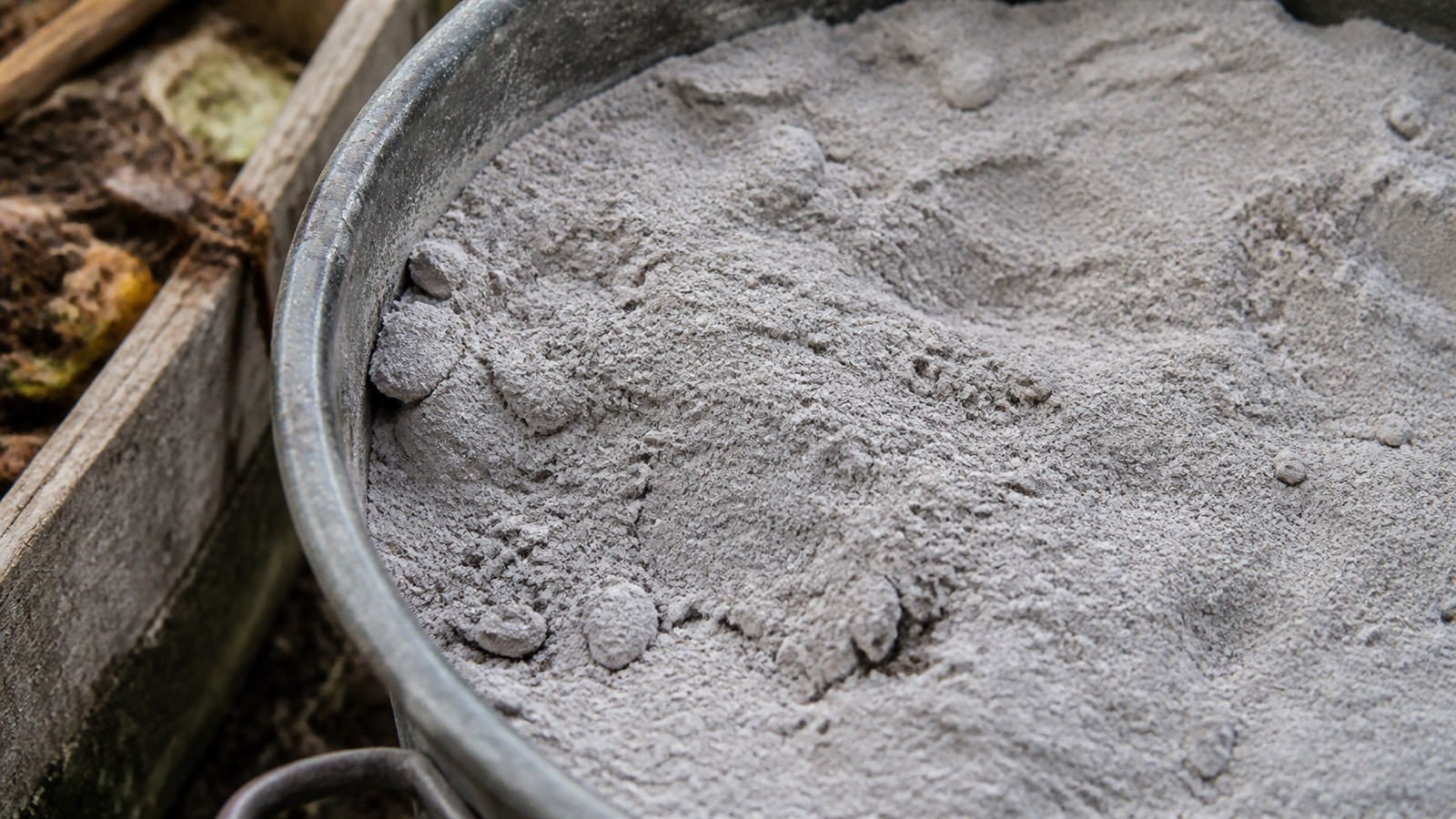
Wood ash yes, in small quantities. Coal ash and charcoal-briquette ash, no, never. Wood ash is strongly alkaline and a little goes a long way; a bucketful will push your pile’s pH somewhere microbes do not want to be. Below: whether you can compost ash, why, how much to add, and the mistakes that cause trouble.
Why
Wood ash contains potassium, calcium and trace minerals, and is genuinely useful in modest amounts. It is also highly alkaline, typically pH 9-13, and alkaline conditions drive nitrogen off as ammonia. Losing the nutrient you were trying to keep.
How to add it
A light dusting between layers, no more than a scattering per wheelbarrow of material. Add it to the pile rather than raw to soil, so it is buffered.
Only ash from untreated wood. Not painted or treated timber, not pressure-treated lumber, not fire logs.
Common mistakes
Emptying the whole grate in. The most common version of this mistake.
Composting coal ash or barbecue briquette ash, which contain sulphur compounds and heavy metals.
How much is “a light dusting”
Concretely: roughly a small trowel-full spread across a wheelbarrow of material, or a couple of handfuls per cubic foot. If you can see a continuous grey layer, you have overdone it. Most people who have a wood stove produce far more ash than their compost pile can absorb. The surplus is better spread thinly and directly on beds in autumn, or kept out of the garden entirely.
Why alkalinity matters so much here
Composting microbes work best between roughly pH 6 and 8. Wood ash at pH 9-13 pushes a pile out of that band quickly, and alkaline conditions convert ammonium to ammonia gas. You smell it, and the nitrogen you were trying to keep leaves the pile through your nose.
What is actually in it
Wood ash is roughly 20-30% calcium, plus useful potassium and small amounts of phosphorus, magnesium and trace elements. It contains no nitrogen at all, that burned off. Think of it as a liming material with a potassium bonus, not as a fertiliser.
Where it helps and where it hurts
Useful on acidic soils, and around brassicas which prefer alkaline conditions. Actively harmful around blueberries, rhododendrons, azaleas, camellias and potatoes. The last of these because alkaline soil encourages potato scab.
What never goes in
Coal ash: contains sulphur compounds and heavy metals including arsenic and lead.
Charcoal briquettes: binders, accelerants and additives.
Treated, painted or engineered wood: preservatives, adhesives and pigments concentrate in the ash.
Glossy printed paper or firelogs: unnecessary risk for no benefit.
Related
More materials in the material library. New to this? How to compost.
Further reading on compost ash
Independent sources worth reading alongside this page: EPA, Composting at Home · Cornell Waste Management Institute.