Using unfinished compost
Fine as a surface mulch or in an autumn bed that will sit over winter. Not fine around seedlings or anything you are planting now. Immature compost temporarily locks up the nitrogen those plants need. Below: the practical detail on unfinished compost, and what most guides leave out.
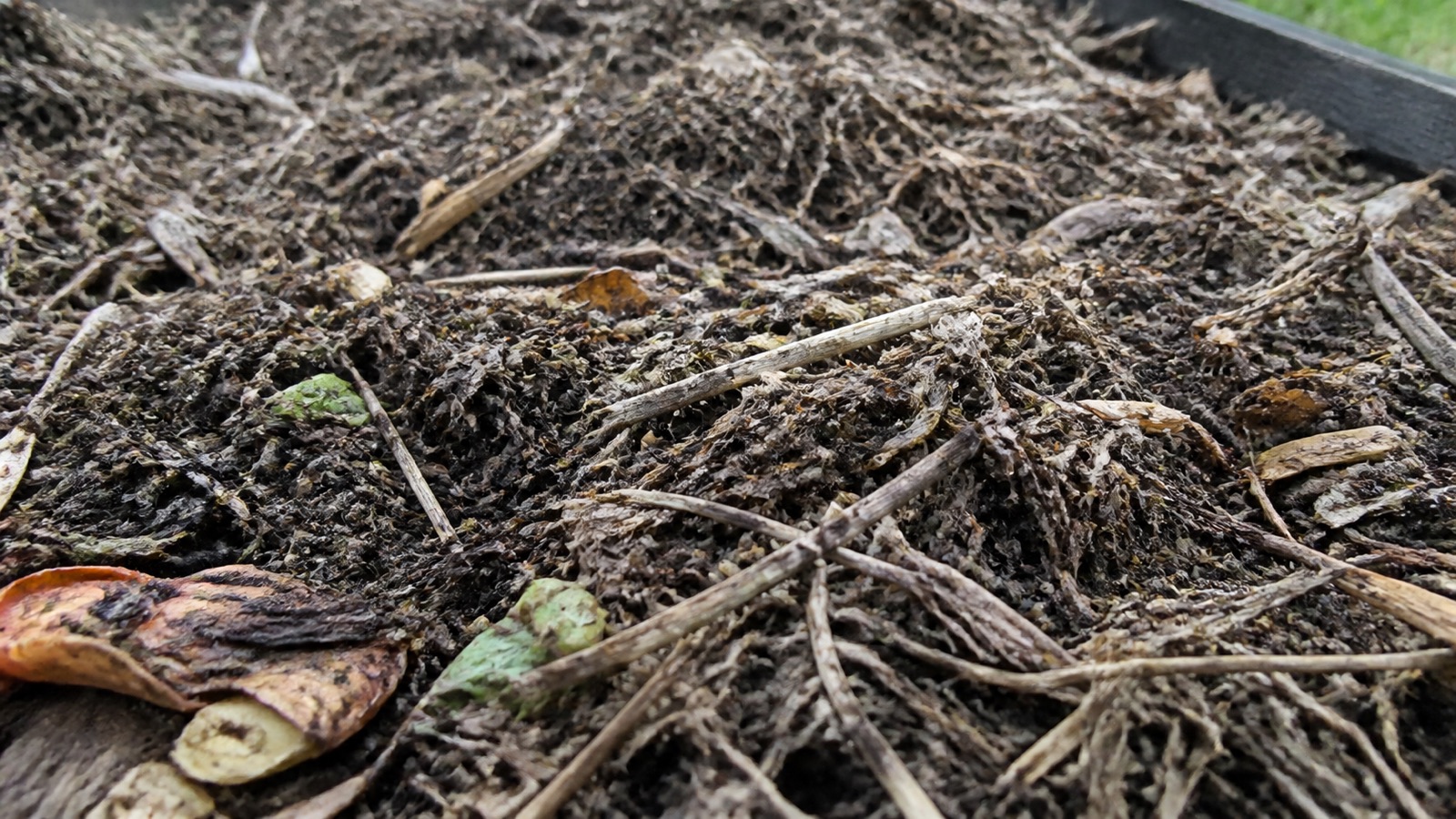
Why it matters
Compost that is still actively decomposing has microbes working through the remaining carbon, and they take nitrogen from the surrounding soil to do it. Plants growing in it compete for the same nitrogen and lose. The effect is temporary but can cost you a crop at exactly the wrong moment.
When it is genuinely fine
As a surface mulch around established plants. Contact with soil is limited and finishing continues in place.
Autumn application to an empty bed. By spring it will have finished.
In trenches, buried and left for a season.
Around hungry, vigorous plants like squash, which cope.
When to wait
Seed beds, seedlings, containers, anything small or slow. Also anything where you cannot tolerate a check in growth.
Telling the difference
Finished compost is dark, crumbly, smells earthy and does not reheat when moistened and piled. If it warms up again, it is not done.
Related
Rates and timing: using your compost. Judging bought compost: is bulk compost safe to use.
Further reading on unfinished compost
Independent sources worth reading alongside this page: University of Georgia Extension, Composting · EPA, Composting at Home.