Composting in the Pacific Northwest
Mild temperatures mean a pile works nearly year round, which is the good news. The bad news is the winter rain. An uncovered pile west of the Cascades will drown, go anaerobic and sour by February. Below: how Pacific Northwest composting works in practice, what it demands of you, and who it actually suits.
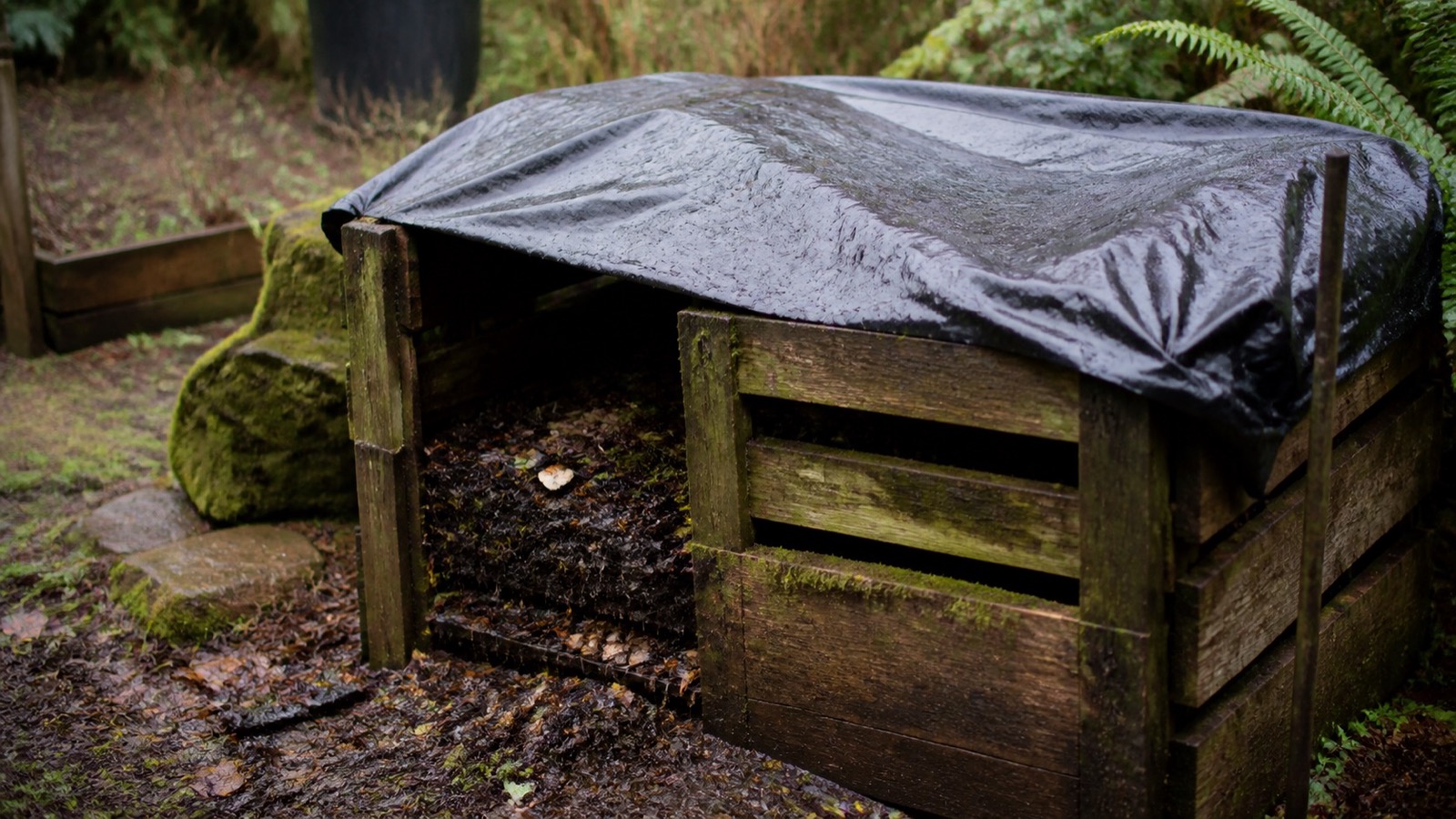
The constraint: too much water, not too little
Months of steady rain saturate an open pile. Waterlogged material excludes air, and everything that follows, the sour smell, the grey slime, comes from that.
What works
Cover it through the wet season. A loose lid or tarp that sheds rain while still allowing air movement. Not sealed.
Drainage underneath. A base of coarse twigs or pallets keeps the bottom from sitting in standing water.
Stockpile browns in summer, when there is finally dry material to be had. In a wet winter you will need them and nothing outdoors will be dry.
The upside
Mild winters mean decomposition rarely stops entirely. Piles keep working slowly through the season, and spring arrives early.
Related
Wet piles: compost too wet. Hub: composting by climate.
Further reading on Pacific Northwest composting
Independent sources worth reading alongside this page: EPA, Composting at Home · Cornell Waste Management Institute.