Cold composting
Add material as it arises, do very little, and wait. Cold composting takes six months to two years and asks almost nothing of you. It is not a failed attempt at hot composting. It is a legitimate method with different trade-offs.
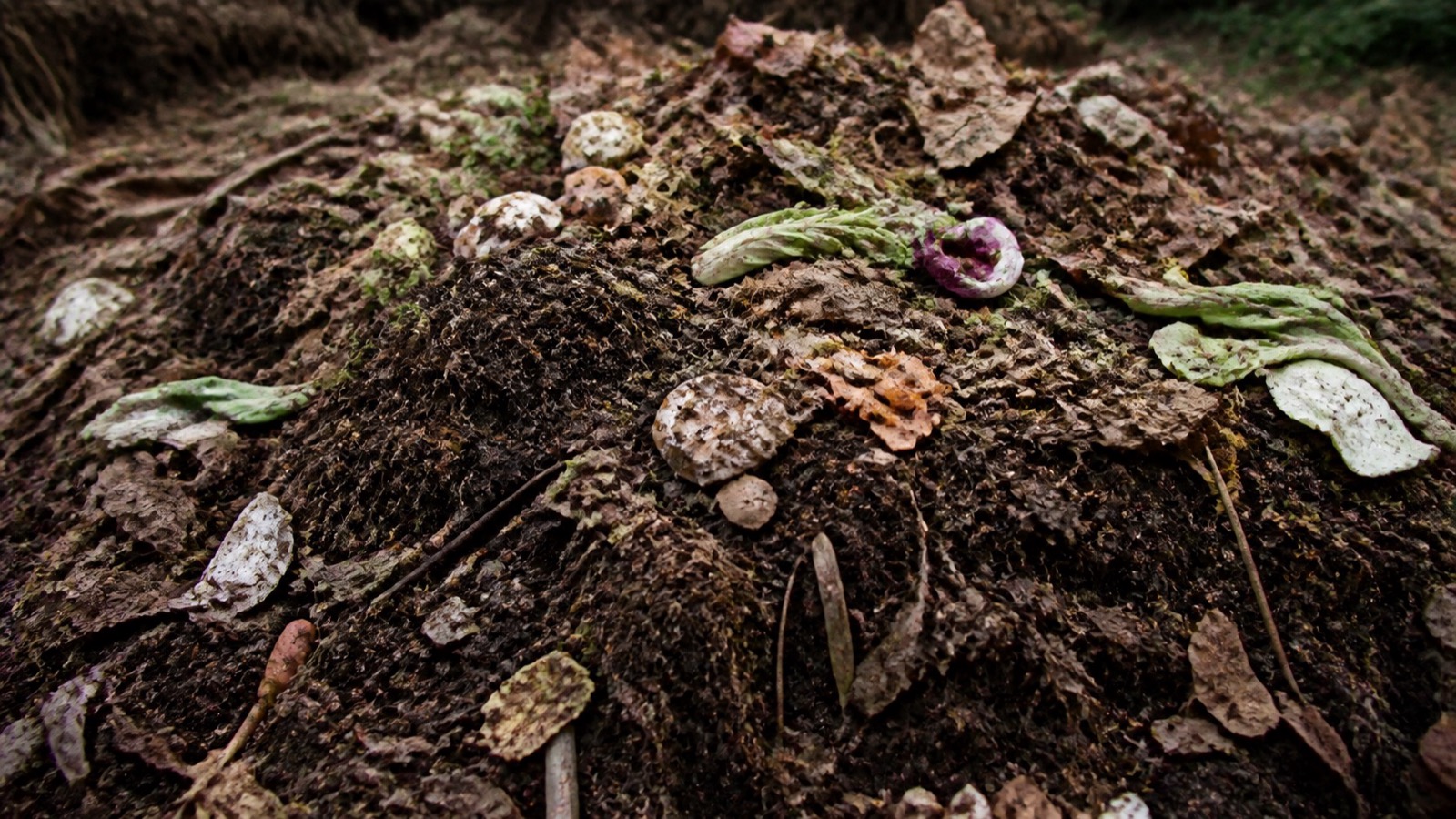
How it works
Without the volume and balance needed for a thermophilic phase, decomposition runs at ambient temperature, driven by mesophilic bacteria, fungi and larger organisms: worms, woodlice, springtails. Slower, and arguably producing a more biologically diverse finished product.
What it costs you
Time. Six months at best, two years if untouched.
Weed seeds survive. No sustained heat means no seed kill. Keep seeding weeds out.
Pathogens survive. Keep diseased plant material out.
How to make it less slow
Chop material smaller. Turn occasionally, even a few times a year. Run two bins so one can finish undisturbed.
Related
The fast alternative: hot composting. Timescales: how long compost takes.
Further reading on cold composting
Independent sources worth reading alongside this page: EPA, Composting at Home · Cornell Waste Management Institute.