What to use for worm bedding now that newspaper is gone
Shredded corrugated cardboard is the best general replacement, with coco coir a close second. Almost every worm-bin guide still says ‘shredded newspaper’, which was sensible advice when households received a paper every day and is now useless to most people. Below: the practical detail on worm bin bedding, and what most guides leave out.
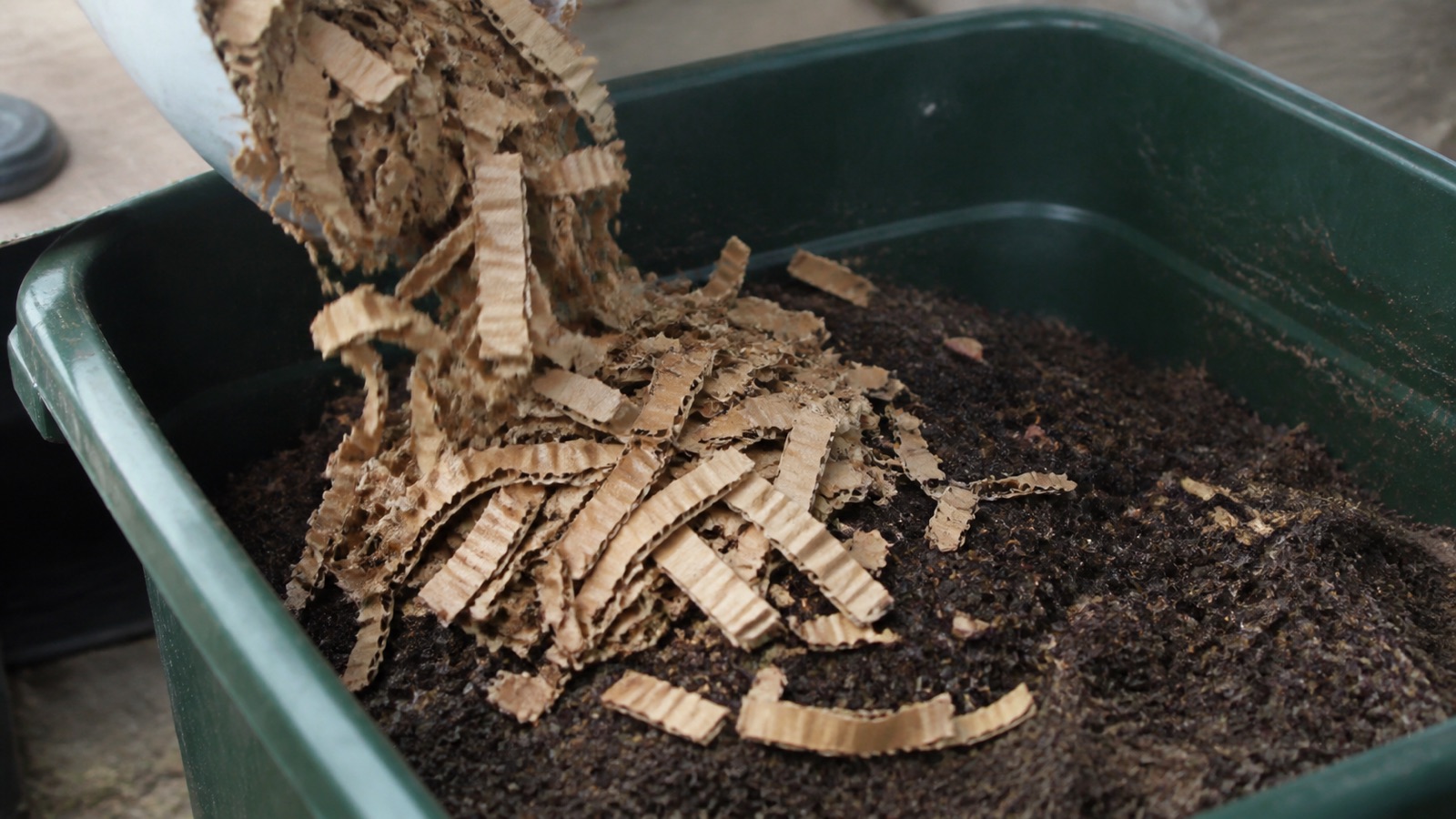
Why bedding matters
Bedding is not just habitat. It is carbon. Worms live in it, breed in it, and eat it alongside your food scraps. Too little bedding and the bin goes wet, acidic and smelly.
The realistic options
Corrugated cardboard, shredded and dampened. The best all-round answer. Free, plentiful, and the flutes hold air. Remove tape and glossy print.
Coco coir. Excellent moisture handling and worms clearly like it. Costs money and needs rehydrating, and there are legitimate questions about shipping a growing medium across the world.
Shredded office paper. Works, but compacts more than cardboard and often carries more ink. Avoid glossy and thermal paper.
Aged leaf mold or partly finished compost. Excellent, biologically rich, and free if you have it.
Straw or aged wood shavings. Fine as a component, slow on their own.
What to avoid
Glossy magazines, thermal receipts, sawdust from treated wood, and anything scented.
Related
The method: vermicomposting. Cardboard as a material: can you compost cardboard.
Further reading on worm bin bedding
Independent sources worth reading alongside this page: EPA, Composting at Home · Cornell Waste Management Institute.