Vermont gardening tips
The two constraints that shape everything here are a short season and cold, often wet, spring soil. Most of the useful adaptations are about warming soil earlier and extending the shoulders of the season. Below: the practical detail on Vermont gardening, and what most guides leave out.
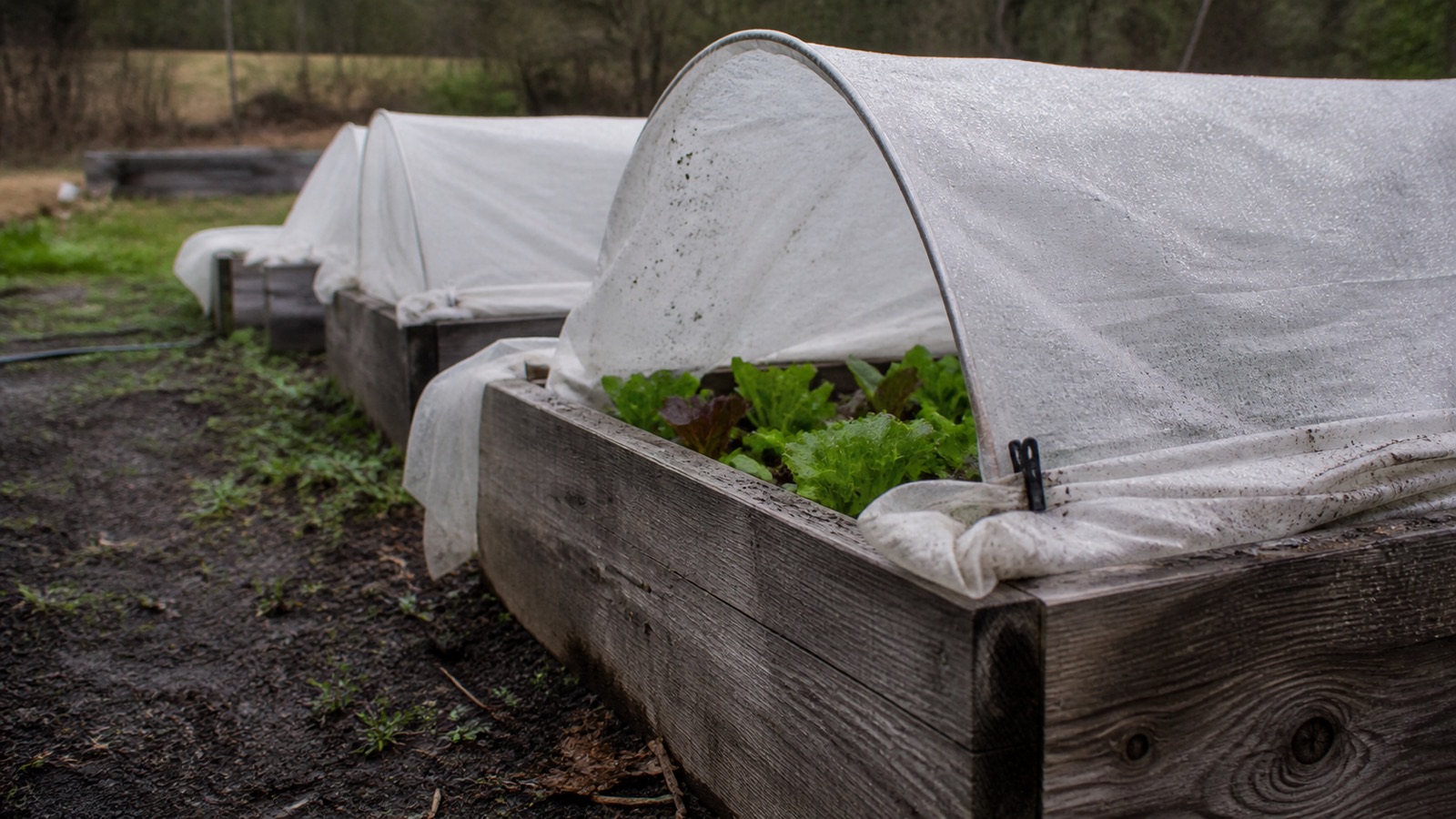
Warming the soil
Raised beds warm faster than flat ground. Improving drainage with compost warms soil earlier. Black plastic or a cloche over a bed for two weeks before planting buys real time.
Extending the season
Row cover is the highest-value piece of equipment for a Vermont garden: frost protection at both ends, plus insect exclusion. Cold frames and low tunnels extend harvests of hardy greens well into winter.
Choosing varieties
Days-to-maturity matters more than in most places. A tomato needing 85 days is a gamble; one needing 65 is not. Short-season varieties bred for northern conditions are worth seeking out.
Where compost fits
Annual surface application improves drainage, which is the limiting factor in a cold wet spring. It also builds the water-holding capacity that matters in a dry August.
Related
Zones and frost dates: Vermont growing zones. Hub: Vermont resources.
Further reading on Vermont gardening
Independent sources worth reading alongside this page: Vermont Dept. of Environmental Conservation · EPA, Sustainable Management of Food.