Carbon-to-nitrogen ratio
The often-quoted target is 30 parts carbon to 1 part nitrogen by weight. You do not need to calculate it. Roughly equal volumes of browns and greens lands close enough, and the pile will tell you if you are wrong. Below: the practical detail on carbon to nitrogen ratio, and what most guides leave out.
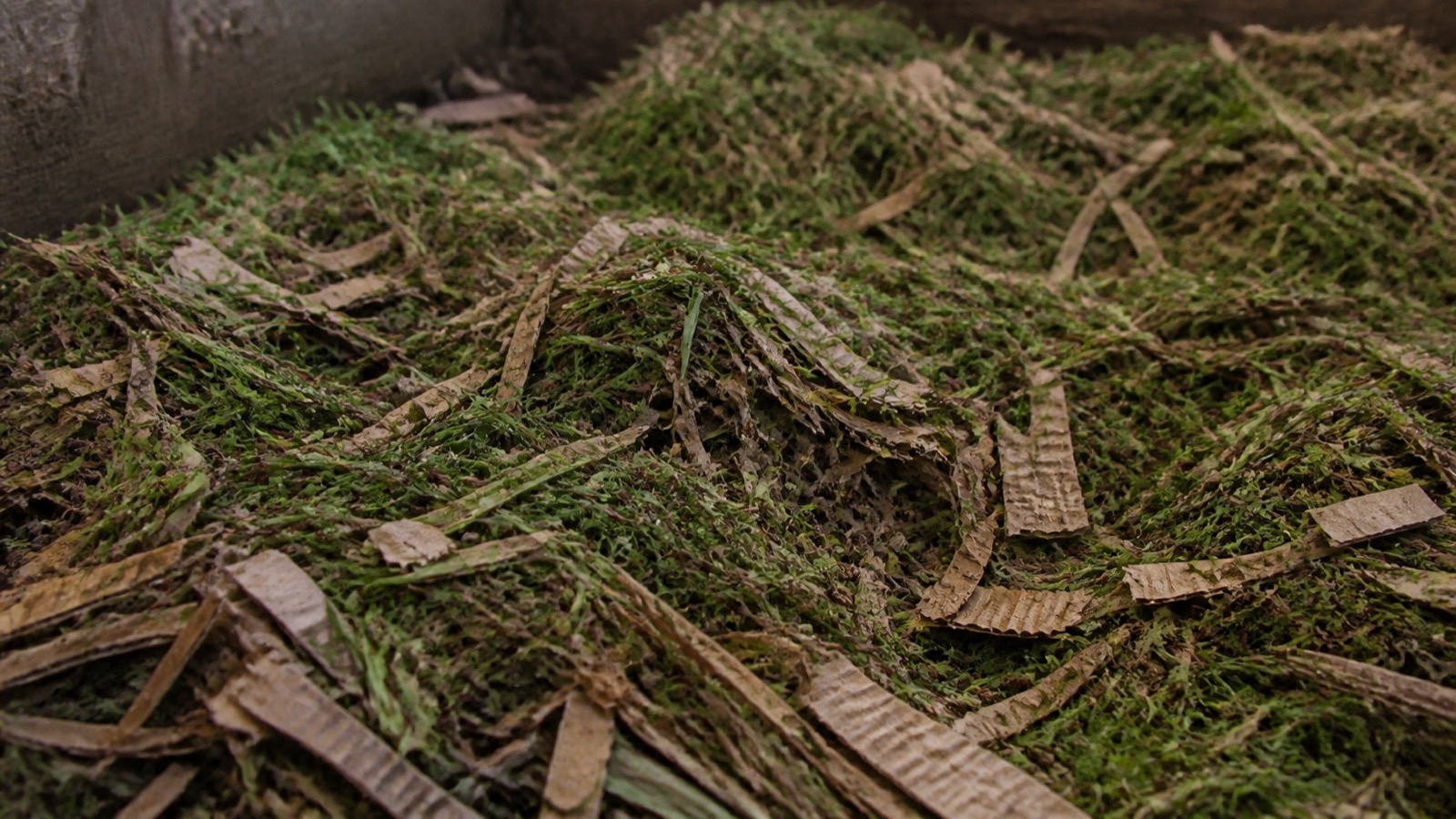
What the number describes
Microbes need carbon for energy and nitrogen to build proteins. Around 30:1 is where they work fastest. Above that they run short of nitrogen and slow down. Below it there is surplus nitrogen, which leaves as ammonia. The smell of a pile with too much grass in it.
Why you cannot eyeball it
C:N is measured by dry weight, and materials vary enormously: sawdust is around 400:1, dry leaves 60:1, coffee grounds 20:1, grass clippings 15:1, urine under 1:1. A bucket of grass and a bucket of sawdust are not comparable quantities of anything.
This is why volume-based advice works better in practice. It is less precise and far more usable.
When it is worth thinking about
Mostly when adding a lot of one thing: a big grass delivery, a bulk load of wood chips, a winter of coffee grounds from a café. Those are the moments a pile tips far enough out of balance to misbehave.
Related
The usable version: browns and greens. Hub: how to compost.
Further reading on carbon to nitrogen ratio
Independent sources worth reading alongside this page: Cornell Waste Management Institute · RHS, Composting.