Vermont compost regulations
Vermont’s Universal Recycling Law bans food scraps from the landfill. Since 1 July 2020 that applies to everyone, including households. You must keep food scraps out of the trash, whether by composting at home, using a hauler, or taking them to a drop-off. Below: the practical detail on Vermont compost regulations, and what most guides leave out.
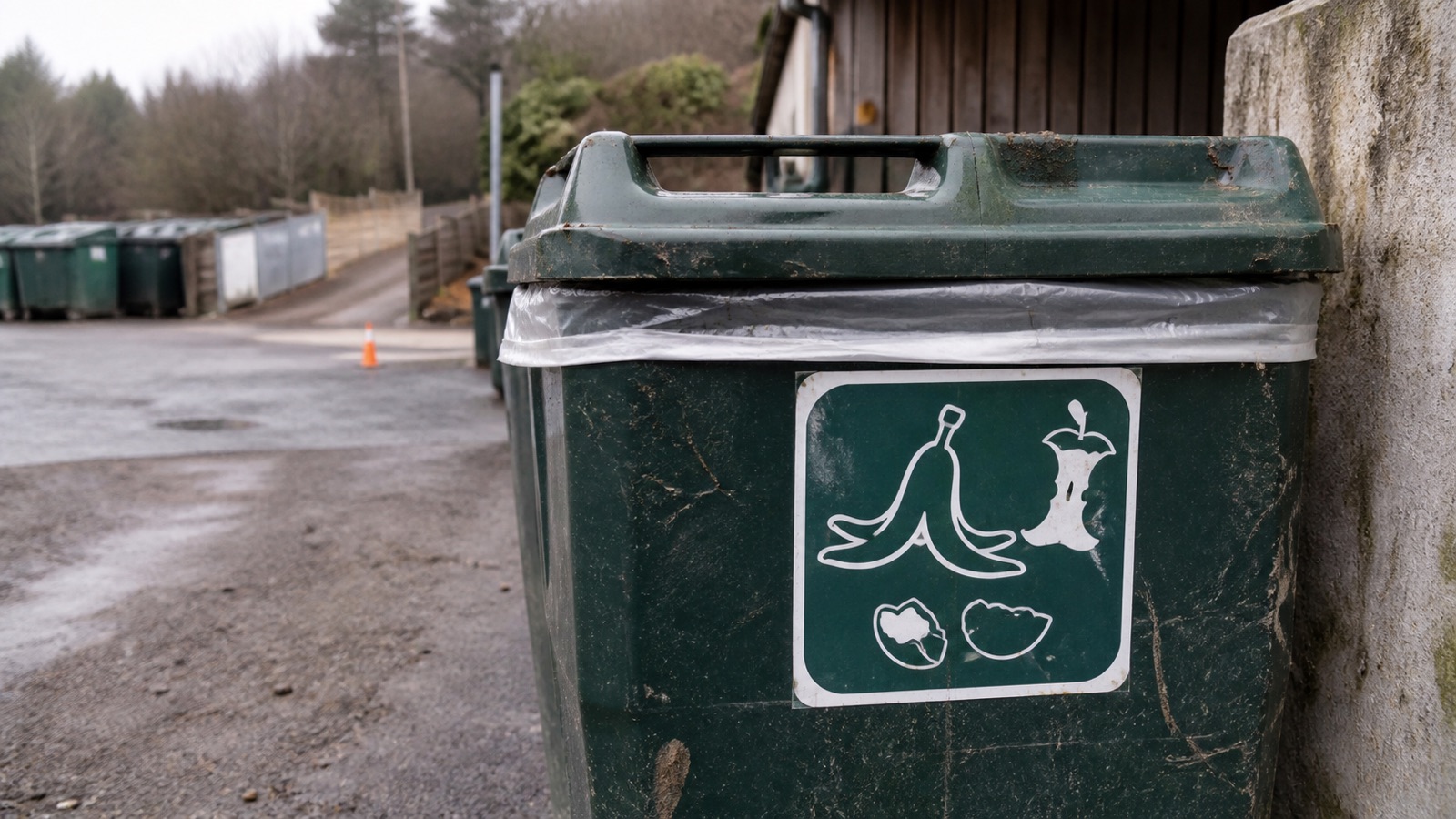
What the law covers
Act 148 phased out landfilling of recyclables, leaf and yard debris, and food scraps. The household food-scrap requirement was the final stage.
How to comply
Compost at home. Any method: heap, bin, tumbler, worm bin, trench.
Subscribe to a hauler that collects food scraps.
Use a drop-off site, typically at a transfer station or solid waste district facility.
What counts
Food scraps broadly: fruit and vegetable waste, bread, coffee grounds, spoiled food. Rules on meat, bones and dairy vary by facility, and home composters should keep those out for practical reasons regardless.
Related
Where to take scraps: Vermont drop-off sites. Hub: Vermont resources.
Further reading on Vermont compost regulations
Independent sources worth reading alongside this page: Vermont Dept. of Environmental Conservation · EPA, Sustainable Management of Food.