Spring compost preparation
Turn what overwintered, add nitrogen and water, and it will wake up within a fortnight. Spring is also when last year’s bottom layer is usually ready to use, so it is worth digging down before you add anything new. Below: the practical detail on spring compost preparation, and what most guides leave out.
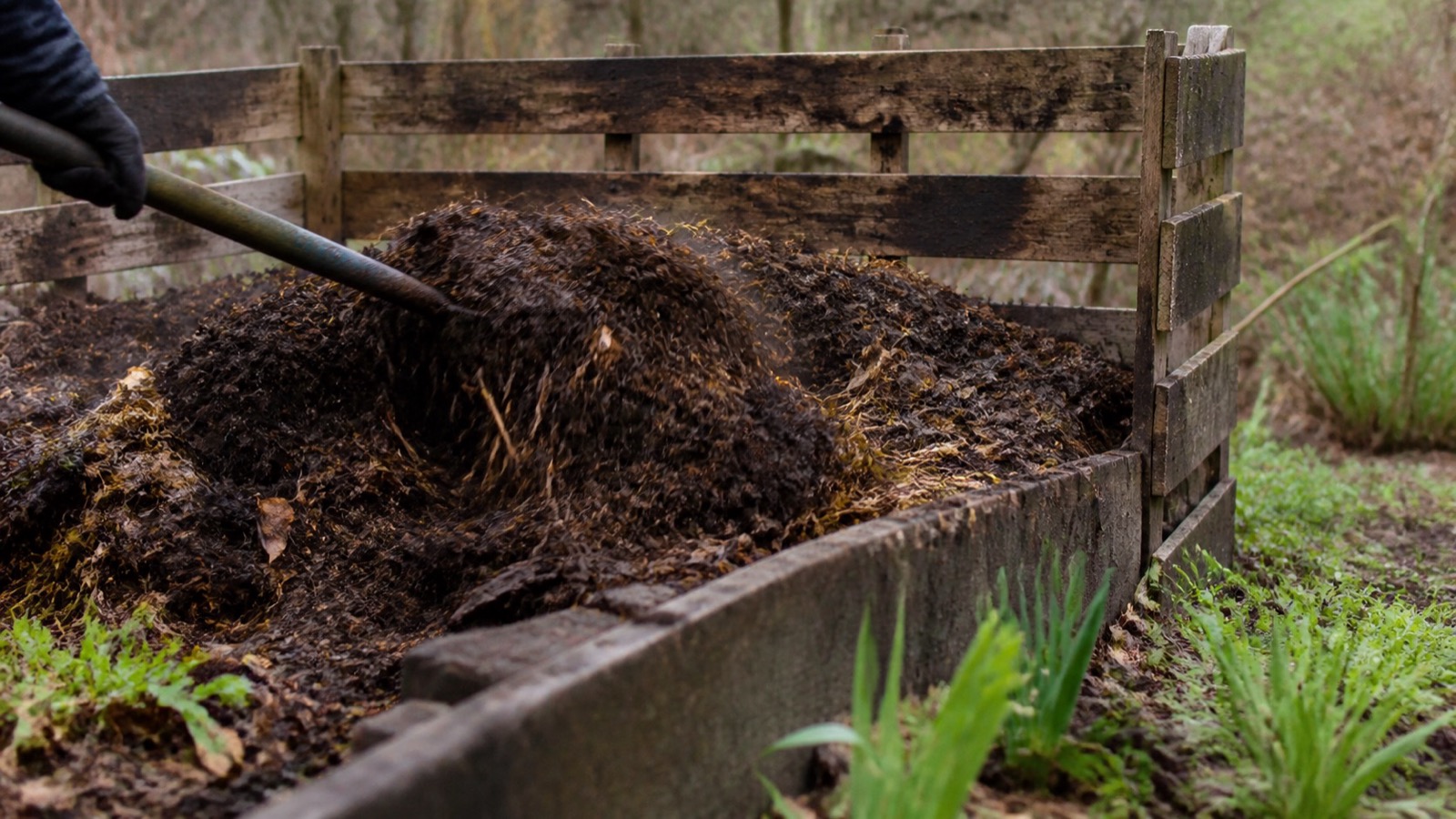
Harvest first
Before you turn anything, check the bottom of the pile. In most cold-composting setups the lowest layer has quietly finished over winter and is ready to spread. Take it out now, while the pile is still small.
Then restart
Turn the remainder into a second bin or back on itself, mixing thoroughly. Add greens, the winter’s accumulation is usually brown-heavy, and water as you go, since piles dry out under snow more than people expect.
Expect a lag
Two weeks or so of nothing much, then rapid activity as soil temperatures rise. If it has still not moved by late spring, check moisture first and nitrogen second.
Related
Using what you harvested: using your compost. Hub: seasonal composting.
Further reading on spring compost preparation
Independent sources worth reading alongside this page: EPA, Composting at Home · Cornell Waste Management Institute.