Community composting
If you cannot compost at home, no outdoor space, no time, a landlord who objects, a drop-off site or collection service does the same job. In Vermont this is also how many households meet the food-scrap requirement. Below: how community composting works in practice, what it demands of you, and who it actually suits.
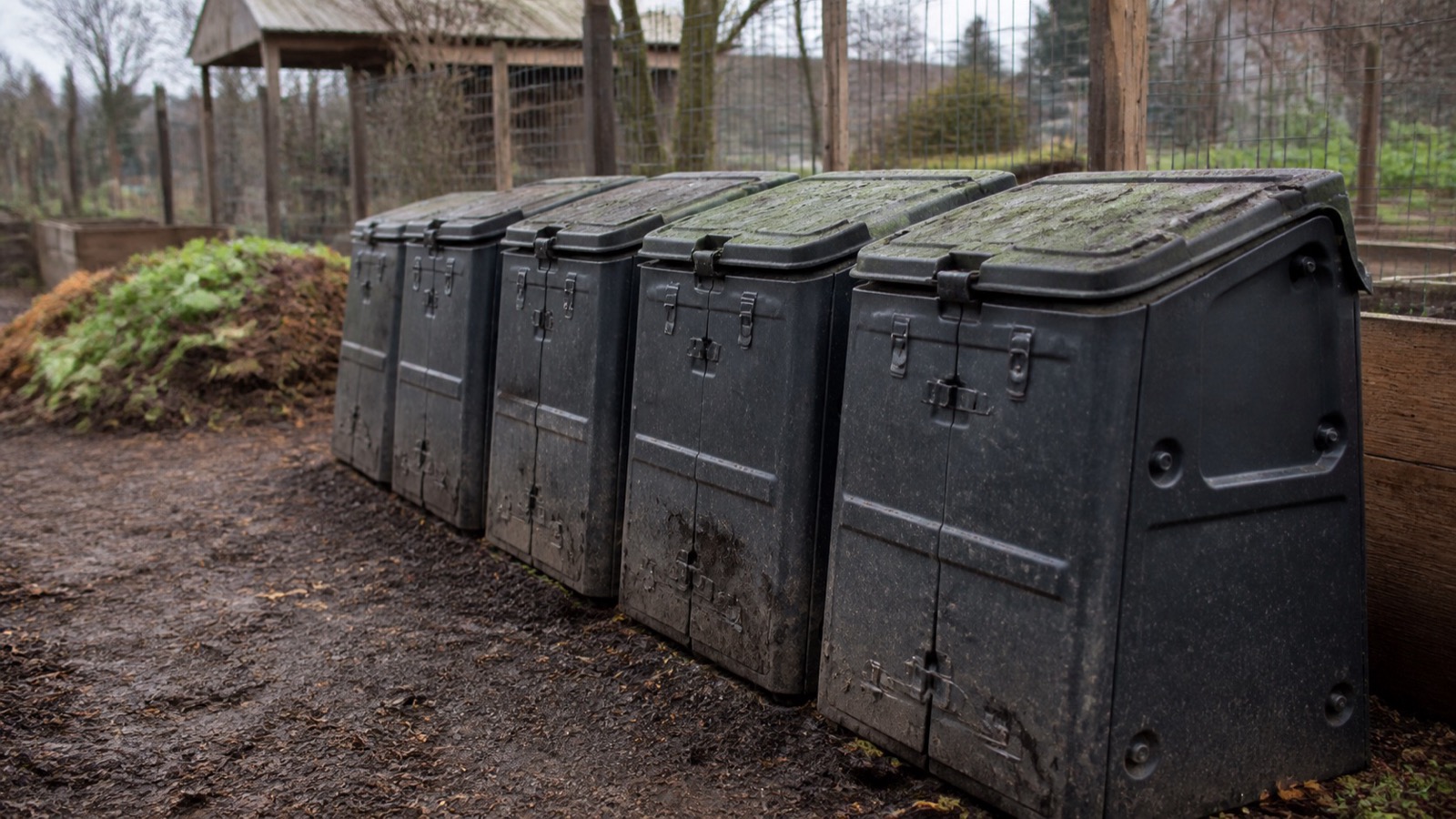
The options
Municipal or transfer-station drop-off. Take scraps to a designated site, usually free or low cost.
Subscription haulers. A bucket collected weekly for a fee; some return finished compost to subscribers.
Community gardens. Many accept scraps from neighbours, sometimes in exchange for volunteering.
Farm drop-offs. Some farms take household scraps for their own systems.
What they can take that you cannot
Industrial and farm-scale systems reach and hold temperatures a domestic pile cannot, so many accept meat, dairy, cooked food and certified compostable packaging. Confirm before assuming, acceptance varies a lot.
Storing scraps between trips
Freeze them. A container in the freezer eliminates smell and fruit flies entirely, and is the single most useful trick for anyone using a drop-off rather than a pile.
Related
Vermont specifics: Vermont drop-off sites and Act 148.
Further reading on community composting
Independent sources worth reading alongside this page: EPA, Composting at Home · Cornell Waste Management Institute.