Can you compost dryer lint?
Only if your laundry is mostly natural fibres. Lint from cotton, wool and linen composts fine. Lint from polyester, nylon and acrylic is microplastic, and putting it in compost puts plastic in your soil. Below: whether you can compost dryer lint, why, how much to add, and the mistakes that cause trouble.
Why
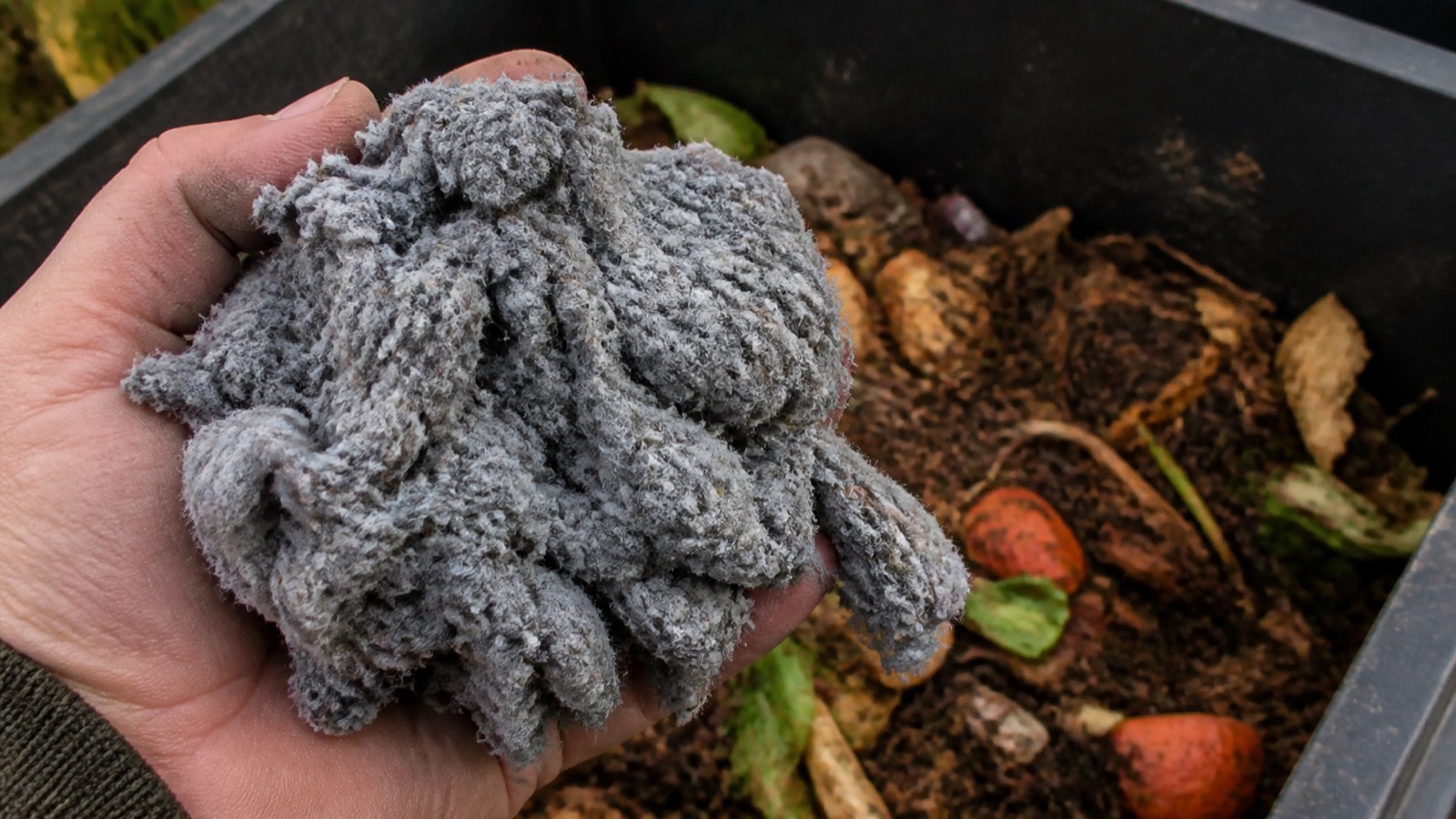
Dryer lint is whatever your clothes shed: a mixture of the fibres in them, plus skin cells, hair and detergent residue. Cotton lint is cellulose and composts like fine paper.
Most modern wardrobes are substantially synthetic, and there is no practical way to separate the fractions once they are in the filter.
How to add it
If you genuinely wash mostly natural fibres, add it in small amounts and mix it through. It is light and mats easily.
If you are unsure, leave it out. The upside is negligible either way.
Common mistakes
Assuming lint is ‘natural’ because it is fluffy. The fibre content of the lint matches the fibre content of your clothes.
Honestly, is it worth it?
This is one of those materials that appears on every ‘surprising things you can compost’ list and contributes almost nothing. The volume is tiny and the microplastic risk is real. We would skip it.
Related
More materials in the material library. New to this? How to compost.
Further reading on compost dryer lint
Independent sources worth reading alongside this page: EPA, Composting at Home · Cornell Waste Management Institute.